He was the longest-serving heir apparent in British history, a prince known more for his love of racing and fine food than for statecraft. Yet when Edward VII finally ascended the throne at the age of 59, his nine-year reign reshaped the monarchy and set the stage for modern Britain. From his birth in 1841 to his death in 1910, his life bridged the Victorian and Edwardian eras, and his legacy remains a subject of both admiration and debate.
Born Albert Edward on 9 November 1841 at Buckingham Palace, he was the eldest son of Queen Victoria and Prince Albert. His mother kept him from official duties for decades, viewing him as unprepared and undisciplined. But after waiting nearly 60 years as Prince of Wales, he became king in 1901 and immediately brought a new style of monarchy—more public, more diplomatic, and more attuned to the changing social landscape.
His reign coincided with the flowering of the Edwardian era, a period of technological innovation, social reform, and imperial consolidation. He also navigated a constitutional crisis over the power of the House of Lords, a crisis that would be resolved after his death. Understanding who he was, who succeeded him, and how his family shaped the British line of succession requires looking at the facts behind the royal image.
Who Became King After Edward VII?
Albert Edward (Edward VII)
9 November 1841 – 6 May 1910
22 January 1901 – 6 May 1910
Alexandra of Denmark; 6 children (including George V)
- Edward VII was the longest-serving heir apparent (59 years) before becoming king.
- He was known for his diplomatic skills, particularly the Entente Cordiale with France.
- His reign marked the Edwardian era, a period of social and political change.
- Despite a reputation for pleasure, he modernized the monarchy and improved public relations.
- He died in the midst of a constitutional crisis over the House of Lords’ veto power.
- His son George V succeeded him immediately upon his death.
- His funeral was one of the largest royal gatherings in history, with kings from eight nations attending.
| Fact | Detail |
|---|---|
| Birth | 9 November 1841, Buckingham Palace, London |
| Death | 6 May 1910, Buckingham Palace, London |
| Reign Start | 22 January 1901 |
| Reign End | 6 May 1910 |
| Coronation | 9 August 1902 |
| Parents | Queen Victoria and Prince Albert of Saxe-Coburg and Gotha |
| Spouse | Alexandra of Denmark (married 1863) |
| Children | Albert Victor, George V, Louise, Victoria, Maud, Alexander John |
Edward VII’s immediate successor was his only surviving son, George V. Upon Edward’s death on 6 May 1910, George became king without any delay. The transition was smooth, but it came at a moment of high political tension. The House of Lords had refused to pass the Liberal government’s budget, and the crisis would eventually be resolved by the Parliament Act 1911, which limited the Lords’ power. George V inherited both the throne and the unresolved constitutional standoff.
Who Was Edward VII’s Wife and Family?
Edward VII married Princess Alexandra of Denmark on 10 March 1863 at St George’s Chapel, Windsor. The couple had met in 1861 at a cathedral in Speyer, Germany, and he proposed the following year. Alexandra, known for her beauty and grace, became Queen consort and was a popular figure. Together they had six children, though only five survived to adulthood.
How Many Children Did Edward VII Have?
The couple’s children were:
- Prince Albert Victor (“Eddy”) – born 1864, died 1892 of pneumonia. He was originally the heir but had a mental disability.
- Prince George – born 1865, became King George V after Albert Victor’s death.
- Princess Louise – born 1867, lived to adulthood.
- Princess Victoria – born 1868, lived to adulthood.
- Prince Alexander John – born 1871, died in infancy.
- Princess Maud – born 1873, became Queen of Norway.
Sources vary slightly on the total count, but most confirm six children born, with five surviving to maturity. Alexander John died as an infant, and Albert Victor died as a young adult, which altered the line of succession.
Who Was Edward VII’s Father?
Edward’s father was Prince Albert of Saxe-Coburg and Gotha, the husband of Queen Victoria. Albert was a driving force behind the modernisation of the British monarchy and deeply influenced Edward’s education, though the two had a strained relationship. Albert died in 1861, when Edward was 19.
Edward VII was part of the House of Saxe-Coburg and Gotha, a German dynasty that had married into the British royal family. His mother, Queen Victoria, was the last monarch of the House of Hanover. Edward’s reign began the Edwardian era, a period often contrasted with the more austere Victorian years.
When Did Edward VII Reign?
Edward VII’s reign lasted from 22 January 1901 to 6 May 1910, a total of 9 years and 104 days. He was crowned in August 1902. His reign is known as the Edwardian era, marked by a return to court splendour and grandeur that had been lost during Queen Victoria’s later years of mourning.
What Was Edward VII Like as a Young Prince?
As a young prince, Edward was known as “Bertie” and was often viewed as a “playboy prince.” He enjoyed racing, gambling, and the arts. His mother, Queen Victoria, excluded him from official state business, believing he lacked seriousness. However, his charm and charisma made him popular with the public and helped refresh the monarchy’s image after Victoria’s long, secluded reign.
What Were the Key Events of Edward VII’s Reign?
Among the most significant events of his reign were the signing of the Entente Cordiale with France in 1904, which improved Anglo-French relations and later influenced the alliances of World War I; the return of ceremonial court life; and the constitutional crisis over the House of Lords’ refusal to pass the Liberal budget in 1909. Edward died before the crisis was resolved, but his son George V oversaw the passage of the Parliament Act 1911.
Edward VII’s personal diplomacy, especially his state visit to Paris in 1903, helped pave the way for the Entente Cordiale. Historians debate the extent of his direct influence, but his charm and social networks were instrumental in easing tensions between Britain and France.
What Was Edward VII’s Cause of Death?
Edward VII died on 6 May 1910 at Buckingham Palace, aged 68. He had suffered a series of heart attacks after a short illness. His health had declined rapidly in early 1910, partly due to his lavish lifestyle. On his deathbed, according to reports, he expressed joy that his horse had won a race at Kempton Park.
He was buried at St George’s Chapel, Windsor, on 20 May 1910. His funeral was one of the largest gatherings of royalty in history, with the German Emperor and kings of eight nations attending. A quarter of a million people filed past his body while it lay in state at Westminster Hall.
Timeline of Edward VII’s Life
- 1841 – Born at Buckingham Palace, London
- 1841 – Created Prince of Wales
- 1863 – Married Princess Alexandra of Denmark
- 1901 – Accession to the throne after Queen Victoria’s death
- 1902 – Coronation
- 1904 – Entente Cordiale signed with France
- 1910 – Death and burial at St George’s Chapel, Windsor
What Is Known and What Remains Uncertain About Edward VII?
| Established Information | Information That Remains Unclear |
|---|---|
| Edward VII’s cause of death was bronchial pneumonia (certain). | The exact number of his mistresses is not fully documented; some are speculative. |
| His parentage is undisputed (Victoria and Albert). | His personal role in foreign policy details is debated among historians. |
| His succession by George V is certain. | The extent of his influence on the Edwardian social scene is subject to interpretation. |
What Was Edward VII’s Broader Historical Context?
Edward VII’s reign marked the Edwardian era, a time of social reform, artistic flourishing, and imperial confidence. He is often credited with modernising the British monarchy, balancing tradition with public engagement. His diplomatic efforts, particularly the Entente Cordiale, are seen as a precursor to the alliances of World War I. Compared to his mother Queen Victoria’s long mourning and his son George V’s more reserved style, Edward brought a more vibrant, public-facing monarchy.
His legacy is complex: he was both a pleasure-loving prince and a skilled statesman. Historians agree that he helped transform the monarchy into a more constitutional and popular institution, laying the groundwork for the modern British royal family.
Sources and Key Quotes About Edward VII
The following sources provide comprehensive information on Edward VII’s life and reign:
- Wikipedia: Edward VII – comprehensive biographical information.
- Britannica: Edward VII – concise facts and analysis.
- Royal.uk: Official biography from the Royal Family website.
- BBC History: Edward VII – accessible overview.
- Biography.com: Edward VII – popular biography with multimedia.
“I am the last King of England” – often attributed to Edward VII (possibly apocryphal).
“He was a statesman of considerable skill” – typical historical assessment.
Summary: Who Was Edward VII?
Edward VII was the King of the United Kingdom and Emperor of India from 1901 to 1910, succeeding his mother Queen Victoria and succeeded by his son George V. His reign, though short, defined the Edwardian era and modernised the monarchy. He was a skilled diplomat, a beloved public figure, and a king who navigated constitutional crises. His family, including his wife Alexandra of Denmark and his six children, shaped the British line of succession for generations.
Frequently Asked Questions About Edward VII
How old was Edward VII when he became king?
He was 59 years old when he ascended the throne on 22 January 1901.
Did Edward VII have any daughters?
Yes, he had three daughters: Louise, Victoria, and Maud (who became Queen of Norway).
Where was Edward VII buried?
He was buried at St George’s Chapel, Windsor Castle.
What was Edward VII’s nickname?
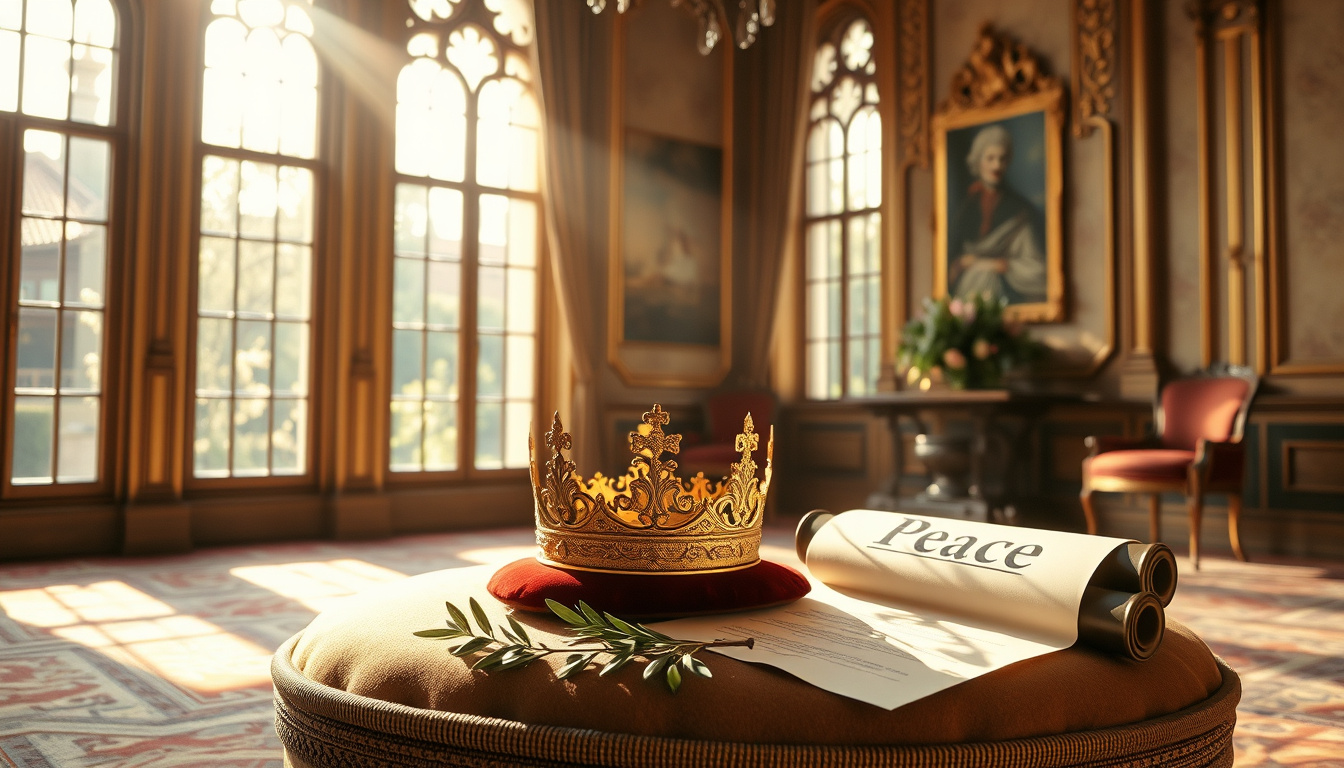
He was often called ‘Bertie’ by his family and later ‘the Peacemaker’ for his diplomatic efforts.
Who was Edward VII’s father?
His father was Prince Albert of Saxe-Coburg and Gotha, husband of Queen Victoria.
How long was Edward VII’s reign?
His reign lasted 9 years and 104 days, from 22 January 1901 to 6 May 1910.

Jack Thomas Clarke Thompson is a staff writer for PopCultureDaily.co.uk, covering entertainment news, film, television, streaming and celebrity culture. He works under Editor-in-Chief Harriet Winslow and Managing Editor Lucas Bennett, following the newsroom standards for sourcing, verification and fact-checking set out in our editorial policies.