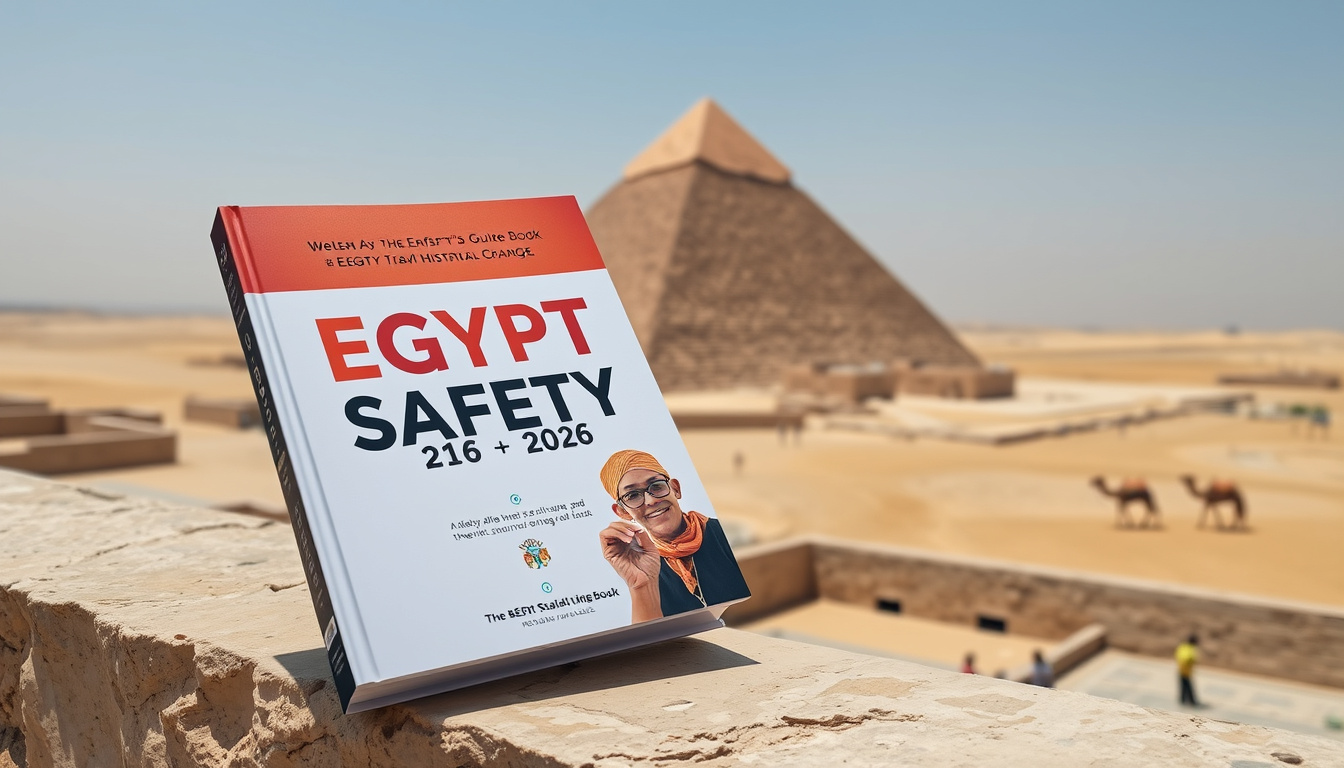
Egypt remains one of the most visited travel destinations in the Middle East, and for most tourists the answer to “Is Egypt safe to visit?” remains yes. Official travel advisories from the UK Foreign, Commonwealth & Development Office and the U.S. State Department continue to classify the vast majority of the country – including Cairo, Luxor, Hurghada and Sharm el Sheikh – as safe for travel, provided standard precautions are taken. The only areas where warnings have been raised are specific border and desert zones, namely within 20 kilometres of the Libya border and parts of the Sinai Peninsula.
The situation has been stable since the beginning of 2026. Regional events, such as U.S. military operations against Iran in late February 2026, have not produced any confirmed threats inside Egypt’s tourist zones. The U.S. Embassy in Cairo remains open and operating normally. Daily monitoring of official sources is recommended, but no broad restrictions have been imposed on the main tourist circuit.
Is Egypt Safe to Visit Right Now? Current Situation Overview
Quick Safety Grid
| Category | Summary |
|---|---|
| Overall Safety | Egypt is generally safe for tourists, with low violent crime rates. Official advisories warn only about border areas. |
| Primary Risks | Terrorism risk (especially in North Sinai), proximity to Libya border conflict, and occasional political protests. |
| Key Safe Zones | Cairo (tourist areas), Luxor, Aswan, Hurghada, Sharm el Sheikh are considered low-risk. |
| Essential Precautions | Avoid border areas, register with embassy, stay in resort compounds, respect local customs, use tourist police (126). |
Key Insights for Travelers
- Official travel advisories (FCDO, US State Dept) continue to warn only against travel within 20km of Libya border and to North Sinai; all other areas deemed safe.
- Crime rates in tourist areas are low, but petty theft and scams occur – tourists should take standard urban precautions.
- The Israel-Hamas war (2023–2025) has not directly impacted major Egyptian tourist destinations, but flights may be disrupted and regional tensions can elevate travel insurance costs.
- Solo female travelers generally report positive experiences, but dressing modestly and avoiding nighttime travel alone are recommended.
- Security presence at hotels, malls and attractions is effective and visible, according to the U.S. Embassy OSAC report (March 2026).
- Regional tensions from U.S. operations against Iran in February 2026 have not materialised into specific threats inside Egypt, though daily monitoring is urged by the embassy.
Quick Facts Table
| Fact | Detail |
|---|---|
| Official Travel Advisory (UK FCDO) | Advises against all travel to within 20km of Libya border; all other areas considered safe with normal precautions. |
| Violent crime rate | Low, especially in tourist areas. Tourist police available at 126. |
| Terrorism risk | Medium – North Sinai high risk; avoid. Attacks in other areas are rare but possible. |
| Visa requirements | Most nationalities can obtain visa on arrival or e-visa. Check UK FCDO for updates. |
| Top tourist destinations | Cairo, Luxor, Aswan, Hurghada, Sharm el Sheikh – all considered safe for travel. |
| U.S. State Department rating | Level 2: Exercise Increased Caution (April 2026). No change after February events. |
| U.S. Embassy Cairo status | Open and operating normally (March 2026 OSAC report). |
| Polio risk | Circulation confirmed; CDC recommends updated vaccinations. |
Is Egypt Safe to Visit Given the Israel War? Geopolitical Risks
Proximity to Gaza and Regional Tensions
Egypt shares a border with the Gaza Strip and Israel, and the ongoing conflict that began in October 2023 has raised questions about spillover risks. The UK FCDO updated its advice in January 2024 to warn against travel within 20 km of the Gaza border, but no actual attacks on Egyptian tourist areas have been documented. The Rafah crossing, located in North Sinai, has been used primarily as a humanitarian corridor and is not a tourist destination. The U.S. State Department maintains a “Do Not Travel” advisory for the entire Northern and Middle Sinai Peninsula, but this area is rarely visited by tourists.
Sinai and the Taba Border Area
Northern South Sinai, beyond the St Catherine–Nuweibaa road, is also advised against by the UK FCDO. The Taba crossing into Israel carries specific risks: the U.S. Embassy recommends enrolling in Israel’s Home Front Command alerts for real-time warnings. U.S. citizens receive a 14-day free visa-on-arrival for Sinai (updated March 28, 2026), but must be prepared to pay exit fees of $120 USD in cash. Carrying at least $175 USD per person is advised because ATMs in the area can be unreliable.
The U.S. Embassy security alert (March 3, 2026) explicitly states that exit fees at Taba are $120 USD cash per person and ATMs are unreliable. Travelers should carry at least $175 USD total to cover fees and unexpected expenses.
Safety in Egypt’s Top Tourist Destinations: Cairo, Hurghada, and Sharm el Sheikh
Cairo
Cairo’s main tourist areas – including Giza, Zamalek and the city centre – operate under normal conditions. Police escorts on some Upper Egypt routes are routine and not an indicator of specific threats. The U.S. Embassy advises monitoring its alerts but has issued no new restrictions for Cairo since the February 2026 escalation.
Hurghada and Sharm el Sheikh
Both Red Sea resorts are considered low-risk. Airports are fully operational, though travelers should check airline schedules as regional adjustments have caused some flight changes post-February 2026. Crime is limited to petty theft; resort security is strong. The UK FCDO includes the coasts of South Sinai (including Sharm el Sheikh) as areas where travel is permitted.
The Western Desert (west of the Nile Valley/Delta) is a military zone with limited U.S. and UK consular assistance. Travel is only permitted with licensed tour operators. Exceptions include Luxor, Aswan, and Siwa, which are safe and accessible.
Is Egypt Safe for Women Travelers and UK Visitors?
Solo Female Travel
Solo female travellers generally report positive experiences in Egypt, particularly in resort areas and guided tours. The country has a low violent crime rate against tourists, but cultural norms regarding dress and behaviour should be respected. Dressing modestly (covering shoulders and knees) and avoiding walking alone after dark are commonly recommended. No specific advisory targets women travellers separately; the main risks are the same as for all tourists: petty theft and scams.
UK Visitors – Passport and Insurance
The UK FCDO allows travel to most of Egypt. UK passport holders can obtain a visa on arrival (US$25) or an e-visa in advance. Travel insurance should cover cancellations due to geopolitical events, as regional tensions can disrupt flights. The U.S. State Department has not issued separate warnings for UK citizens, but all travellers are advised to enroll in STEP or equivalent programmes.
Given regional instability, travel insurance that explicitly covers cancellation for geopolitical reasons is strongly advised. Some policies have increased premiums for Egypt since 2023. Check with your provider before booking.
How Has Egypt’s Safety Situation Evolved Since 2023?
- – Hamas attack on Israel; Israel–Gaza war begins. Egypt’s Rafah border crossing becomes a humanitarian corridor. No direct attacks on Egyptian tourist areas.
- – Israeli airstrikes near Egypt’s border in Sinai (Rafah) – no casualties reported in tourist zones. FCDO updates advice to avoid within 20 km of Gaza border.
- – Tourist numbers rebound; many travelers return despite regional tensions. PCR/COVID restrictions fully lifted.
- – Libya border remains closed due to instability; sporadic clashes near Egypt–Libya frontier. Egypt’s main tourist sites report no security incidents.
- – Latest travel advice: FCDO maintains warnings for Libya border (20 km) and North Sinai. All other areas considered safe. Tourism continues to increase.
What Is Certain and What Remains Uncertain About Travel to Egypt?
| Established Information | Remaining Uncertainties |
|---|---|
| The FCDO and U.S. State Department explicitly advise against travel to within 20 km of the Egypt–Libya border and to North Sinai. | The long-term impact of the Israel–Gaza conflict on regional stability is unpredictable. |
| Crime rates in tourist areas are low and well-documented. | Health risks (e.g., new COVID variants) are subject to change. |
| Tourist police presence is strong in main resorts. | Local protests can occur without warning in major cities. |
Why Is Egypt Considered Safe for Tourists Despite Regional Conflicts?
Egypt’s tourism economy is critical to the national budget, and the government dedicates significant resources to protecting tourist zones. Security checkpoints, armed tourist police, and private security are standard at hotels, archaeological sites, and airports. Incidents of violence have historically been isolated to regions – such as North Sinai and the Western Desert – that tourists rarely visit.
Geographical buffers also play a role. The Red Sea mountains and large deserts separate major resorts like Hurghada and Sharm el Sheikh from conflict zones near Gaza and Libya. International travel advisories are by nature risk-averse; they often overstate dangers for areas that remain statistically safe for visitors.
What Do Official Sources Say About Travel Safety in Egypt?
FCDO advises against all travel to within 20km of the Egypt-Libya border, except for the town of El Salloum (where we advise against all but essential travel).
UK Foreign & Commonwealth Development Office
Egypt remains a hugely popular destination, and the vast majority of tourist trips are trouble-free.
Yes! Egypt is generally safe to visit in 2026, especially in major tourist areas like Cairo, Luxor, and Aswan. Violent crime against tourists is rare.
Is It Safe to Travel to Egypt Now? Final Verdict
For the vast majority of travellers, Egypt is safe to visit in 2026. The key is to stay informed: avoid the restricted border zones – within 20 km of the Libya border and North Sinai – and take normal precautions in cities. Enrol in your embassy’s alert system, carry cash for border crossings, and check airline schedules for any disruptions. For a more detailed breakdown of what to expect, see our Egypt Travel Safety Overview and stay updated with the latest Egypt travel advisories and risks.
Frequently Asked Questions
Is Egypt safe to visit in 2026?
Yes, with the exception of border areas near Libya and North Sinai. Tourist hotspots like Cairo, Hurghada, and Sharm el Sheikh are considered safe.
Is it safe to travel to Egypt from the UK?
Yes, the UK FCDO allows travel to most of Egypt. They only advise against areas within 20 km of the Libya border and North Sinai.
What is the safest part of Egypt to visit?
Hurghada, Sharm el Sheikh, Luxor, and Aswan are widely regarded as the safest for tourists, with low crime and strong security.
Do I need a visa to travel to Egypt?
Most nationalities can obtain a visa on arrival (US$25) or an e-visa in advance. UK passport holders can get a visa on arrival.
Is it safe to drive in Egypt?
Road conditions can be challenging. It is safer to use licensed taxis, ride-hailing apps (Uber/Careem), or private transfers.
Is Egypt safe for solo female travellers?
Many solo female travellers visit Egypt without incident. Dressing modestly and avoiding late-night solo walks are common recommendations.

Jack Thomas Clarke Thompson is a staff writer for PopCultureDaily.co.uk, covering entertainment news, film, television, streaming and celebrity culture. He works under Editor-in-Chief Harriet Winslow and Managing Editor Lucas Bennett, following the newsroom standards for sourcing, verification and fact-checking set out in our editorial policies.