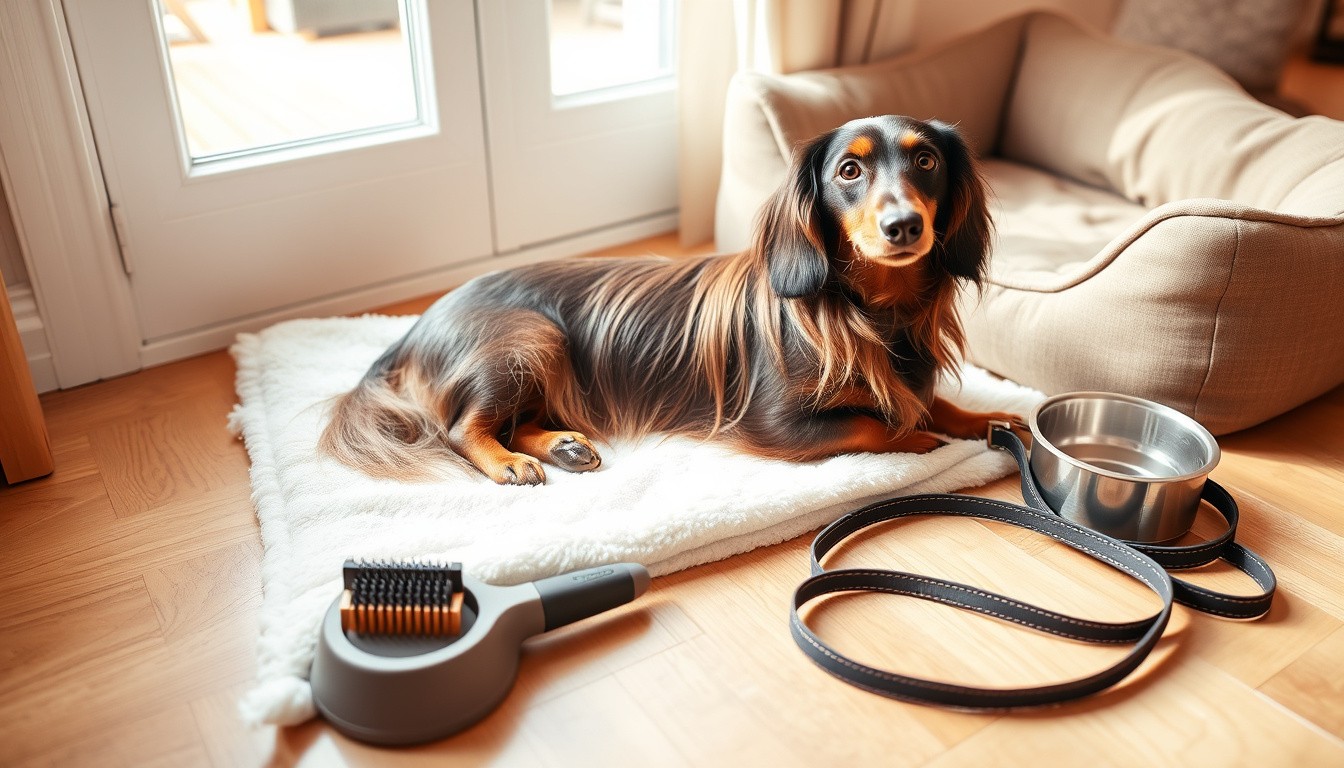

The dachshund, known around the world as the sausage dog, is a small hound breed with a long body, short legs, and a personality that often outweighs its size. Originally bred in Germany to hunt badgers, these dogs are brave, loyal, and famously stubborn. Their distinctive shape, combined with a playful and affectionate temperament, has made them one of the most recognisable and beloved companion animals in the UK, the United States, and beyond.
Despite their popularity, owning a sausage dog comes with specific challenges. Their long spines put them at risk of serious back problems, their independent streak can make training tricky, and their hunting instincts mean they may chase small pets or dig up gardens. Understanding what makes this breed unique is essential before bringing one home.
What Is a Sausage Dog? Breed Overview & History
The dachshund – which translates to “badger dog” in German – was developed in Germany as early as the 15th century to hunt badgers, rabbits, and other burrowing animals. According to Green Cross Vets, their origins can be traced back to the 1400s. The breed’s long, narrow body and powerful front paws were ideal for digging into dens, while their loud bark helped hunters locate them underground.
Key Insights About Sausage Dogs
- Sausage dogs are the same breed as Dachshunds, originating in Germany as badger hunters.
- They come in three coat varieties and two sizes, affecting grooming and exercise needs.
- Back problems (IVDD) are the most significant health risk due to their long spine.
- Prices range from £500–£2,000 depending on breeder, coat type, and location; rescue is cheaper.
- Dachshunds are known for being bold, affectionate, loyal, and stubborn.
- They were bred to hunt, so they have strong prey drive and love to dig.
- Weight control is critical to prevent spinal and metabolic diseases.
Breed Snapshot
| Attribute | Detail |
|---|---|
| Official Name | Dachshund |
| Nicknames | Sausage Dog, Wiener Dog, Daxie |
| Origin | Germany (15th century) |
| Size Variants | Standard (16–32 lbs), Miniature (under 11 lbs) |
| Coat Types | Smooth, Long-haired, Wire-haired |
| Temperament | Brave, stubborn, loyal, playful |
| Exercise Needs | Moderate (30–60 min/day) |
| Common Health Issue | Intervertebral Disc Disease (IVDD) |
| Average Lifespan | 12–16 years |
Sausage Dog Varieties: Miniature, Long Haired, and Fluffy
Dachshunds come in two official size categories and three coat types. The standard dachshund weighs between 9 and 12 kg, while the miniature is typically under 5 kg. A third size, the kaninchen (rabbit), is recognised in some countries but is not widespread in the UK.
The three coat varieties are smooth, wire-haired, and longhaired. According to PDSA, these six combinations (size × coat) are all considered part of the same breed. The “fluffy” description often used by sellers is not an official category – it generally refers to longhaired dachshunds with a softer, fuller coat.
Longhaired dachshunds require more regular brushing to prevent matting, while wire-haired dogs need occasional hand-stripping. Smooth-coated dogs are the lowest maintenance, shedding minimally and rarely needing baths, as noted by Green Cross Vets.
Smooth dachshunds: brush weekly, bathe rarely. Wire-haired: brush 2–3 times a week, hand-strip every few months. Longhaired: brush daily to avoid tangles, regular trims recommended.
How Much Do Sausage Dogs Cost? Where to Buy or Adopt
The price of a sausage dog puppy can vary widely. While no reliable average purchase price was found in available sources, breeders in the UK typically charge between £500 and £2,000, with rare colours or lineage commanding higher figures. Rescue and rehoming organisations such as Dogs Trust offer dachshunds for a fraction of that cost, usually covering vaccinations, microchipping, and spay/neuter.
Factors that influence cost include coat type, size, breeder reputation, and location. Miniature and longhaired varieties tend to be more expensive. Puppies advertised for under £500 should be approached with caution, as they may come from irresponsible breeding practices.
Dachshund-specific rescues operate across the UK and are often a more affordable and ethical option. Adoption fees typically range from £150–£350 and include initial vet checks. Waiting lists can be long, but many healthy adult dogs await homes.
If you are searching locally, using terms like “sausage dogs for sale near me” or “sausage dogs for sale London” in breed-specific Facebook groups or the Kennel Club’s assured breeder list can help find reputable sellers.
What Do Sausage Dogs Eat? Diet & Nutrition Guide
Dachshunds need a high-quality, complete, and balanced diet tailored to their age, size, and activity level. Both BorrowMyDoggy and The Farmers’ Dog stress the importance of regular feeding schedules and strict weight control. Keeping a dachshund lean is critical because excess weight dramatically increases the risk of intervertebral disc disease (IVDD) and diabetes.
Adult dachshunds generally thrive on two meals per day. Puppies under six months old require three to four meals daily, tapering to two meals after that, as noted by BorrowMyDoggy. Green Cross Vets advises against feeding human food, which can quickly lead to obesity. Treats should be limited and accounted for in daily calorie intake.
IVDD is the most serious health threat for dachshunds. Even a small amount of extra weight puts additional strain on the spine. Preventative measures include weight management, avoiding stairs, using ramps for furniture, and never allowing the dog to jump on or off high surfaces.
History of the Dachshund: A Timeline from 15th Century to Today
- 15th century: Earliest records of badger-hunting dogs in Germany appear.
- 1700s: Development of the modern dachshund breed takes place in Germany.
- 1885: The dachshund is officially recognised by the American Kennel Club (AKC).
- 1900s: The breed gains widespread popularity in the UK and Australia under the nickname “sausage dog”.
- 2020s: Continued popularity drives increased awareness of IVDD prevention and responsible breeding.
What Health Problems Do Dachshunds Have and How Long Do They Live?
Dachshunds are generally healthy dogs with a typical lifespan of 12–16 years. However, their conformation makes them susceptible to certain conditions. The most serious is intervertebral disc disease (IVDD), a spinal condition that can lead to pain, paralysis, and require surgery.
Obesity, diabetes, and joint problems are also commonly cited by veterinary sources. The link between excess weight and spinal strain is well established, which is why lean body condition is a central recommendation in every care guide.
| Established Information | Information That Remains Unclear |
|---|---|
| Dachshunds are prone to IVDD; weight management is critical. | Exact lifespan varies widely by genetics and care; 12–16 years is an average. |
| Miniature dachshunds are a size variant, not a separate breed. | “Fluffy” is not an official coat type; it usually refers to long-haired dachshunds. |
| Obesity significantly increases risk of diabetes and back problems. | The exact genetic markers for IVDD susceptibility are still being studied. |
Why Are Dachshunds Called Sausage Dogs? The Meaning Behind the Nickname
According to Wikipedia, “because of their long, narrow build, they are often nicknamed the wiener dog in the US and Canada or the sausage dog in the British Isles and Australasia.” The term reflects their elongated body shape, which strongly resembles a sausage. This informal name has become so widespread that many people use it interchangeably with the official breed name.
The breed’s rich history as a hunting dog is often overlooked in favour of its comical appearance. Modern owners value them for their loyalty and distinctive look, but must also accept the responsibilities that come with a breed prone to specific health risks. The search data shows that people are as interested in buying a sausage dog as they are in learning how to care for one properly.
What Do Veterinary Charities Say About Dachshund Care?
“Because of their long, narrow build, they are often nicknamed the wiener dog in the US and Canada or the sausage dog in the British Isles and Australasia.”
– Wikipedia
“Dachshunds can have either short or long fur. There are six varieties available; smooth, long or wire haired which can be either standard or miniature sized.”
– PDSA (UK veterinary charity)
“The Dachshund, colloquially known as Sausage Dogs, originated in Germany as a hunting dog. Their origins can be traced as far back as the 15th century.”
– Green Cross Vets (Australia)
Is a Sausage Dog the Right Breed for You?
Dachshunds make devoted, lively companions for the right household, but they are not the easiest breed for first-time owners. Their stubborn nature requires patient, reward-based training from an early age. Families with older children tend to be a better fit because the dogs are small and can be hurt by rough play. If you are prepared for a dog that needs careful weight control, regular mental stimulation, and a watchful eye on its spine, a sausage dog can be a wonderful addition to your home. For more general pet care advice, you might find this guide helpful: What Is Alzheimer’s Disease – Causes Symptoms and Treatment.
Frequently Asked Questions About Sausage Dogs
What is a sausage dog box?
A sausage dog box is a subscription box or gift box tailored for dachshund owners, often containing toys, treats, and accessories themed around the breed.
What are good names for a sausage dog?
Popular names include Oscar, Frankie, Daisy, Wiener, Sausage, and Daxie. Many owners choose food-related or German-inspired names.
Do sausage dogs shed a lot?
Smooth-haired dachshunds shed moderately year-round. Long-haired and wire-haired varieties shed less but require more grooming to prevent matting.
Are sausage dogs good with other pets?
Dachshunds were bred to hunt, so they may have a high prey drive. Early socialisation helps them get along with cats and other dogs, but supervision is advised.
Do sausage dogs bark a lot?
Yes, dachshunds are known for being vocal. Their hunting background gives them a strong bark that they use to alert owners or express excitement. Training can help manage excessive barking.
What is a wire haired dachshund?
A wire-haired dachshund has a harsh, wiry outer coat with a softer undercoat. This variety requires occasional hand-stripping and is often described as having a more terrier-like temperament.
Are long haired sausage dogs different from short haired?
Beyond coat length and grooming needs, temperament differences are subtle. Long-haired dachshunds are sometimes described as calmer, while smooth-coated ones are more energetic, but individual variation is significant.

Jack Thomas Clarke Thompson is a staff writer for PopCultureDaily.co.uk, covering entertainment news, film, television, streaming and celebrity culture. He works under Editor-in-Chief Harriet Winslow and Managing Editor Lucas Bennett, following the newsroom standards for sourcing, verification and fact-checking set out in our editorial policies.