Aloe vera is one of the most widely recognized plants in the world, found in everything from soothing skincare gels to bottled juices promising digestive relief. But beyond its reputation as a household remedy, this succulent plant from the Arabian Peninsula contains a complex chemistry of over 75 active compounds. Its translucent inner gel and bitter yellow latex offer very different properties, making it both a versatile natural resource and a substance that demands careful handling.
For thousands of years, aloe vera has been used in traditional medicine, from ancient Egypt to Greece and India. Today, the global market for aloe-based products exceeds billions of dollars, fueled by consumer interest in natural health. Yet despite its popularity, many claims about its benefits remain unproven by rigorous human studies. Understanding what aloe vera can and cannot do means separating strong evidence from anecdote.
What Are the Health Benefits of Aloe Vera?
Plant Overview
Aloe vera is a succulent perennial from the Arabian Peninsula, now grown worldwide. Known for its thick gel-filled leaves.
Top Health Benefits
Antioxidant, antibacterial, wound healing, aid for digestion, blood sugar control, and skin hydration.
Two Common Forms
Gel (topical) from inner leaf pulp; juice (oral) from whole leaf or processed latex. Different uses and safety profiles.
Safety Note
Oral aloe latex can be laxative and may cause cramps; topical is generally safe. Not recommended during pregnancy.
Research demonstrates that aloe vera’s benefits depend heavily on which part of the leaf is used and how it’s applied. The gel has proven effective in clinical settings for skin healing, while the latex acts as a potent laxative with significant risks. Here are the key takeaways:
- Aloe vera is one of the most studied medicinal plants with over 75 potentially active compounds.
- The gel is widely accepted for treating first- and second-degree burns and sunburns, though evidence for other uses varies.
- Aloe vera juice market is growing, but consumers must distinguish between whole-leaf (contains latex) and inner-leaf (no latex) products.
- Growing aloe vera at home is low-maintenance and provides fresh leaves for immediate use, but overwatering is the most common cause of death.
- Scientific classification: Aloe vera (L.) Burm.f. (syn. Aloe barbadensis miller) is the most commercially important species.
| Attribute | Details |
|---|---|
| Scientific Name | Aloe vera (syn. Aloe barbadensis miller) |
| Family | Asphodelaceae (formerly Liliaceae) |
| Origin | Arabian Peninsula; naturalized across tropical/subtropical regions |
| Plant Type | Evergreen perennial succulent |
| Leaf Length | Up to 36 inches (90 cm) |
| Key Active Compounds | Acemannan, aloin, anthraquinones, vitamins (A, C, E), minerals (zinc, magnesium) |
| Primary Uses | Topical (wound healing, moisturizer), oral (digestion, detox) |
| Toxicity Note | Aloin (latex) is a strong laxative; avoid high doses orally. Not safe during pregnancy. |
| Watering Needs | Let soil dry completely between waterings; about once every 2–3 weeks indoors. |
| Sunlight | Bright, indirect light to full sun (morning sun preferred) |
The plant contains over 75 active compounds, including the polysaccharide acemannan, which stimulates immune cells and promotes tissue repair, according to a review published in the South African Journal of Botany. The WebMD supplement guide notes that topical use has strong clinical evidence for reducing healing time and redness in burn cases.
How to Use Aloe Vera Gel and Juice
Aloe Vera Gel for Skin
The clear gel from the inner leaf is the most common form of aloe vera. It is applied directly to the skin for sunburn, minor burns, wounds, psoriasis, acne, cold sores, insect bites, and dermatitis. Clinical evidence supports its ability to reduce healing time, as reported by the National Library of Medicine. For topical use, the gel is generally safe for most people when applied to unbroken skin.
Aloe Vera Juice and Drink
Aloe juice is typically made from the whole leaf or mixed with water. It is marketed for digestive health, though Wikipedia notes that no scientific evidence currently supports claims of digestive system health benefits. Consumers should read labels carefully: whole-leaf juice contains latex, while inner-leaf juice does not. The difference matters for safety.
Aloe Latex
The yellow latex layer under the leaf skin contains aloin, a compound used historically as a laxative. However, aloin is toxic in high doses and can cause abdominal pain, kidney damage, electrolyte imbalance, and potentially increase cancer risk, according to WebMD and Wikipedia.
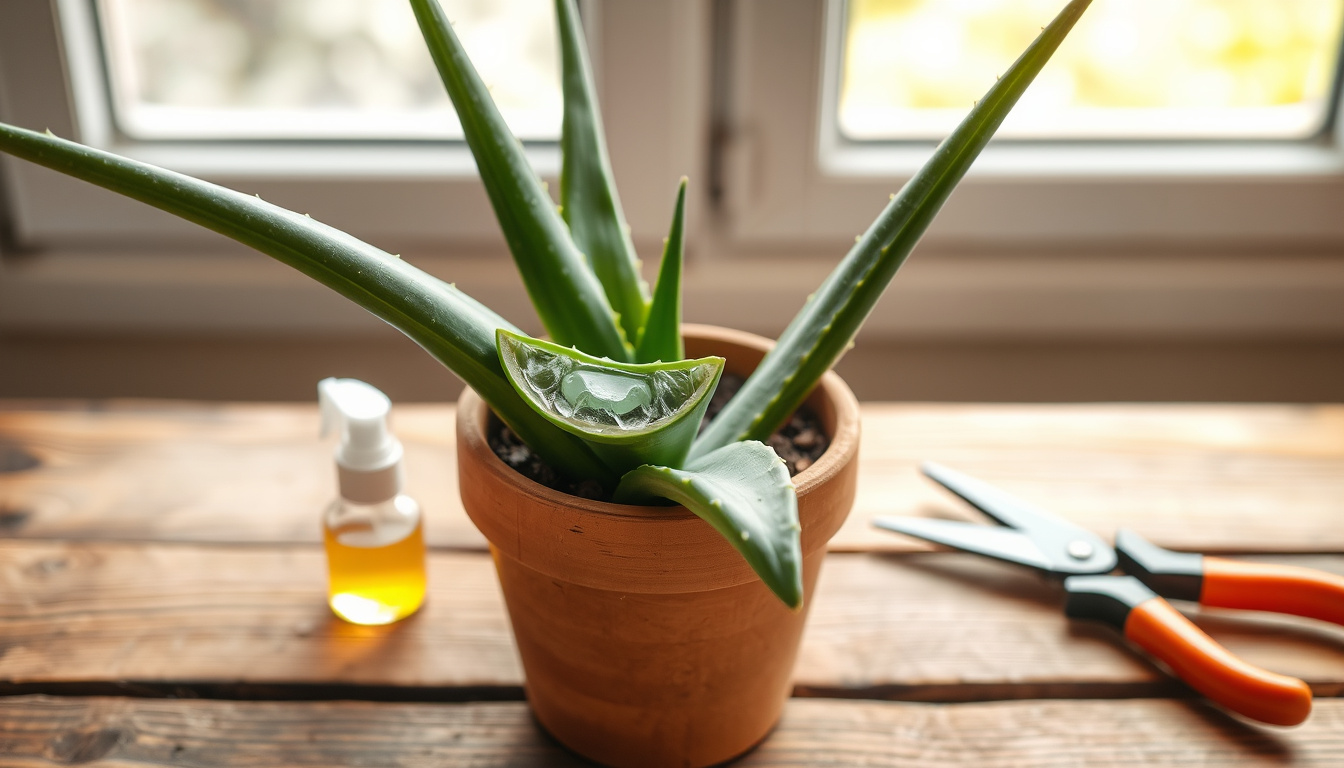
To use fresh aloe gel at home, cut a mature leaf from the base, let the yellow latex drain off for a few minutes, then slice the leaf open lengthwise and scoop out the clear inner gel. Rinse the gel before applying to skin or blending into a drink.
Aloe gel (clear inner pulp) is for topical use. Aloe juice is often made from the whole leaf and may contain latex. Aloe latex (yellow) is a strong laxative but carries toxicity risks. These three products have different uses and safety profiles.
How to Care for an Aloe Vera Plant
Light and Placement
Aloe vera needs bright sunlight and can grow indoors with sufficient light. Morning sun is preferred, though the plant can tolerate full sun in many climates. Too little light causes the leaves to stretch and become weak.
Watering Schedule
Water sparingly. The soil should dry out completely between waterings. Indoors, this usually means watering about once every two to three weeks. Overwatering is the most common cause of death for aloe vera plants, leading to root rot.
Soil and Potting
Aloe vera requires sandy or well-draining soil. A standard cactus or succulent potting mix works well. Ensure the pot has drainage holes.
Propagation
The plant grows easily from pups (offshoots) that appear at the base of the parent plant. Leaf cuttings can also be used, though pups are more reliable for successful propagation.
Harvesting Leaves
Harvest mature outer leaves from the base of the plant. Use a clean, sharp knife. The best time to harvest is when the leaf is thick and fleshy, indicating it is full of gel.
Aloe vera plants can be an invasive species in tropical and semi-tropical regions. If growing outdoors in such climates, consider containing the plant to prevent it from spreading uncontrollably.
Is Aloe Vera Safe? Side Effects and Precautions
Topical Use Safety
Topical aloe vera gel is generally safe for most people. However, some individuals may experience skin inflammation, hives, or allergic reactions. A patch test on a small area of skin is recommended before widespread use.
Oral Ingestion Risks
Oral consumption of aloe latex is not recommended for long-term use. High doses can cause abdominal pain, kidney damage, electrolyte imbalance, and potentially increase cancer risk, as reported by WebMD and Wikipedia. Aloe juice made from the whole leaf may also contain latex.
Pregnancy and Diabetes
Aloe vera should not be used during pregnancy due to risks of miscarriage or uterine stimulation. People with diabetes taking medication must be cautious, as aloe can lower blood glucose to dangerously low levels, according to WebMD and Medical News Today.
Chronic Use Concerns
Chronic oral consumption of aloe products can lead to hepatitis (liver inflammation), according to Wikipedia. The long-term safety of daily oral aloe vera juice (inner-leaf) is not well studied beyond 90 days.
Key Milestones in Aloe Vera History and Research
- c. 2000 BCE — Earliest recorded use of aloe in ancient Egypt; depicted on temple walls and used in embalming.
- 1st century CE — Greek and Roman physicians (Dioscorides, Pliny) document aloe for wound healing, burns, and as a purgative.
- 1753 — Linnaeus names the species Aloe perfoliata var. vera; later revised to Aloe vera by Burman (1768).
- 1851 — Aloe vera introduced to commercial cultivation in Barbados; becomes known as ‘Barbados aloe’.
- 1950s–1960s — Modern research begins; first clinical studies on aloe for radiation dermatitis and wound healing.
- 1990s — Aloe gel becomes widely marketed for sunburn care; rise of aloe drinks as health supplements.
- 2000s–present — Hundreds of studies on aloe for diabetes, inflammation, oral health, and cancer prevention; many still inconclusive.
What Science Says: Established Facts vs. What Remains Unclear
The evidence base for aloe vera is uneven. Some claims are supported by multiple clinical trials, while others rely on traditional use or preliminary lab studies. This table clarifies where the evidence stands:
| Established Information | Information That Remains Unclear |
|---|---|
| Aloe vera gel is effective for first-degree burns and sunburn relief (multiple RCTs). | The claim that aloe vera juice ‘detoxifies’ the liver lacks robust human studies. |
| Topical aloe vera is generally safe for most people when applied to unbroken skin. | Evidence for aloe vera curing cancer or significantly lowering blood glucose is preliminary and not conclusive. |
| Aloe vera contains acemannan, a polysaccharide with immune-modulating properties. | The long-term safety of daily oral aloe vera juice (inner-leaf) is not well studied beyond 90 days. |
| Oral whole-leaf aloe (including latex) can cause cramping and diarrhea; not recommended for regular use. | Effectiveness for acne, eczema, and psoriasis varies widely and is not consistently supported by clinical trials. |
Cultural Significance and Modern Commercialization
Aloe vera has been revered for millennia across civilizations. In ancient Egypt, it was called the “plant of immortality” and given as a funeral gift to pharaohs, with records dating to the fourth millennium BCE, according to the New York Botanical Garden and Wikipedia. The first written record appears on Sumerian clay tablets around 1750 BCE, followed by the Egyptian Papyrus Ebers, which detailed its medicinal uses.
Today, the global aloe vera market exceeds $2 billion, driven by consumer interest in natural health and the plant’s inclusion in lotions, gels, yogurts, beverages, and desserts. The National Center for Complementary and Integrative Health (NCCIH) notes that aloe vera gel is likely safe for topical use, but aloe latex is not safe for long-term oral use. Despite widespread belief, many health claims are based on anecdotal evidence or in-vitro studies; large-scale human trials are often lacking.
Sources and Expert Quotes
“Aloe vera is used in many consumer products, including beverages, skin lotion, cosmetics, ointments, or gels for minor burns and sunburns.”
— Wikipedia – Aloe vera
“Aloe vera contains antioxidants and antibacterial properties that may help reduce dental plaque and accelerate wound healing.”
— Medical News Today
“There is some evidence that topical aloe vera may help healing first- to second-degree burns, but more rigorous trials are needed.”
— Evidence-Based Medicine review (Cochrane)
Summary: What to Remember About Aloe Vera
Aloe vera is a versatile succulent with proven benefits for skin healing and wound repair when applied topically. Its gel is generally safe and effective for sunburn and minor burns. Oral use requires caution: the latex is toxic in high doses, and the long-term safety of daily consumption remains unstudied beyond 90 days. The plant is easy to grow indoors with proper care, making it accessible for home use. For those interested in the skincare industry, the success of aloe vera as a key ingredient in products highlights its commercial relevance, as seen in the Amanda Cronin – Skincare Brand article. For broader health and wellness context, the work of Miriam Stoppard – Health and Wellness provides additional perspective on natural remedies and evidence-based health writing.
Frequently Asked Questions About Aloe Vera
Can aloe vera help with hair growth?
Some studies suggest aloe vera may improve hair health and reduce dandruff, but evidence for promoting hair growth is limited and not conclusive.
How does aloe vera compare to other natural remedies like tea tree oil?
Aloe vera is primarily used for wound healing and skin hydration, while tea tree oil is known for antimicrobial properties. Both have different mechanisms and applications.
What is the best way to store aloe vera gel?
Fresh aloe gel can be stored in an airtight container in the refrigerator for up to one week. For longer storage, freeze the gel in ice cube trays.
Can I grow aloe vera from a leaf cutting?
Yes, but success rates are lower than with pups. Allow the cut end to callus over for a few days before planting in well-draining soil.
Is aloe vera a cactus?
No, aloe vera is a succulent plant in the Asphodelaceae family. It is often mistaken for a cactus due to its fleshy leaves and drought tolerance.
Does aloe vera need fertilizer?
Aloe vera benefits from light feeding once or twice a year during the growing season with a balanced, diluted fertilizer designed for succulents.
Which type of aloe vera is best for skin?
Aloe barbadensis miller (the most common variety) is considered the best for topical skin use due to its high gel content and mildness.
How to make aloe vera juice taste better?
Mix the gel with fruit juices such as orange, lemon, or cucumber. A small amount of honey or mint can also improve flavor.
Can aloe vera be frozen?
Yes, aloe vera gel can be frozen in ice cube trays for later use in smoothies or for topical application. Thawed gel may separate slightly but remains usable.
Does aloe vera expire?
Commercially bottled aloe gel has a shelf life typically ranging from 6 months to 2 years, depending on preservatives. Fresh gel lasts about one week in the refrigerator.

Jack Thomas Clarke Thompson is a staff writer for PopCultureDaily.co.uk, covering entertainment news, film, television, streaming and celebrity culture. He works under Editor-in-Chief Harriet Winslow and Managing Editor Lucas Bennett, following the newsroom standards for sourcing, verification and fact-checking set out in our editorial policies.