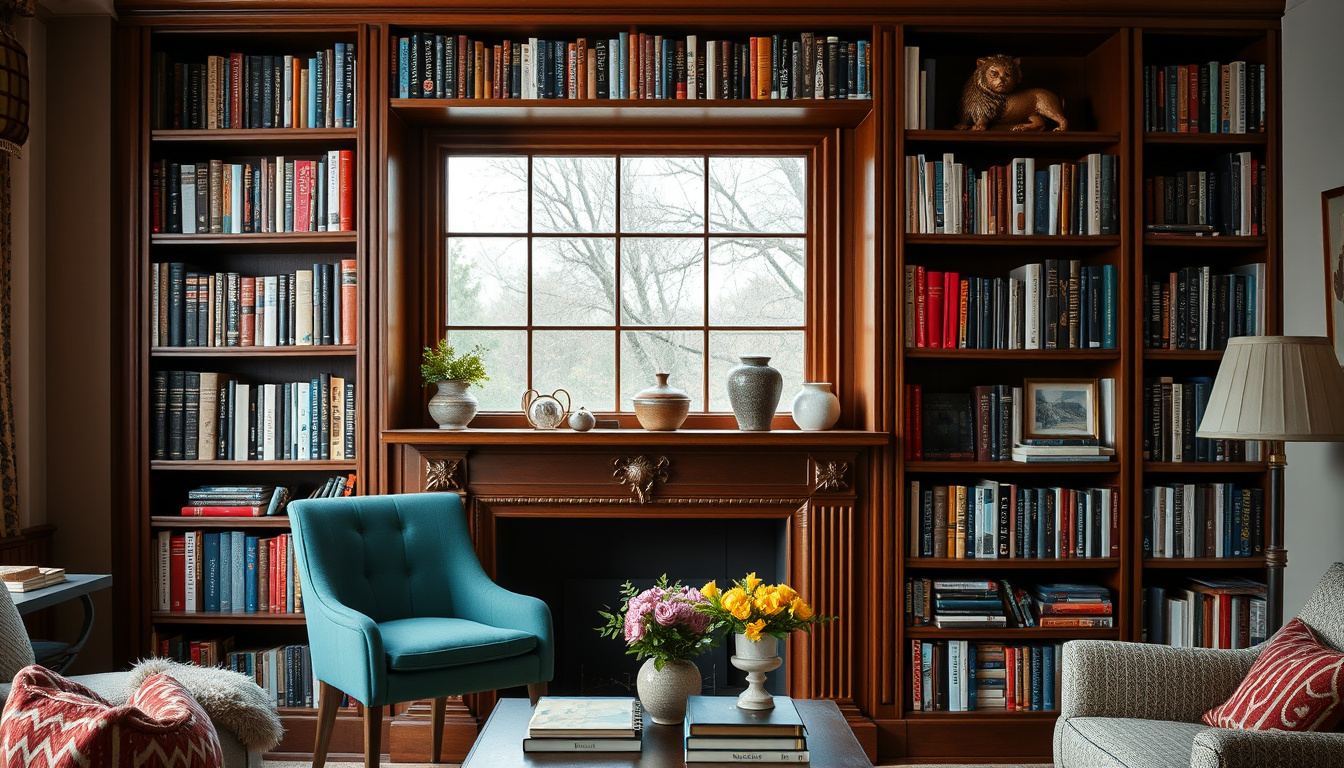
A well-chosen bookshelf does more than store books—it defines a room. Whether you are looking for a space-saving corner unit, a sturdy wall-mounted shelf, or a full custom build, the right choice depends on your space, budget, and how much weight you plan to place on it. This guide covers the main types, materials, top UK retailers, and a step-by-step DIY approach to help you decide what to buy or build in 2025.
The UK market offers options from budget flat-packs to bespoke solid wood. IKEA’s BILLY remains the most popular bookcase, but for long-term durability, many experts recommend European hardwoods like oak or ash. For those who prefer to build, birch plywood is a strong, cost-effective alternative.
Before making a purchase, measure the available space, consider the load you expect, and decide whether you need a freestanding unit or a wall-anchored design. The following sections break down the options in detail.
What types of bookshelves are available?
At a glance: Bookshelf types, materials & top picks
| Type | Best for | Typical price range | Key materials |
|---|---|---|---|
| Wall-mounted | Small rooms, display | £30 – £200 | Wood, metal |
| Corner | Awkward spaces | £50 – £300 | Wood, engineered wood |
| Cabinet (with doors) | Storage + dust protection | £100 – £500 | Wood, glass |
| Kids | Children’s rooms, safety | £40 – £150 | Plastic, wood, low edges |
| Small / narrow | Compact areas, dorms | £20 – £100 | Metal, particleboard |
Key insights before you buy
- Consider the room’s dimensions before buying – measure height, width, and depth.
- Bookshelf weight capacity varies by material: solid wood holds more than particleboard.
- Wall-mounted units are great for saving floor space but require wall anchors.
- IKEA BILLY is the most popular bookcase due to versatility and price – but it may sag under heavy loads.
- Kids bookshelves often have lower shelves and rounded edges for safety.
- Corner shelves maximise otherwise unused space.
- DIY bookshelves can be cheaper and customised, but require time and tools.
Bookshelf facts & figures
| Metric | Value |
|---|---|
| Standard shelf depth | 25–30 cm (10–12 inches) |
| Common height | 180–200 cm (6–7 ft) for tall units |
| Weight capacity per shelf (particleboard) | 10–15 kg |
| Weight capacity per shelf (solid wood) | 20–30 kg |
| Most popular brand (UK) | IKEA BILLY series |
| Average cost (standard bookcase) | £50 – £200 |
How to choose the right bookshelf for your space?
What size bookshelf do I need?
Start by measuring the intended wall area. Standard bookcase heights range from 180 to 200 cm for tall units, while shelf depth is typically 25 to 30 cm. For DIY builds, the recommended shelf depth is 11 ¾ inches (about 30 cm) to allow book clearance, and vertical spacing of 16 inches (about 40 cm) works well for most books. For solid wood shelves, a thickness of at least 1 inch is advised to prevent sagging over spans longer than 30 inches.
Kids bookshelf – what to look for?
Safety is the priority. Look for shelves with low heights, rounded edges, and wall-anchoring hardware included. Many children’s bookshelves are made from plastic or lightweight wood and are designed to be stable even when partially loaded. Some models feature front-facing display shelves that encourage children to pick books.
How much do bookshelves cost?
Prices vary widely. Budget freestanding units start at around £20, while mid-range options from John Lewis or Wayfair cost between £100 and £300. Solid oak or custom-built bookcases can exceed £500. DIY builds using birch plywood fall in the middle but offer better durability than comparably priced pine units.
What materials are best for bookshelves?
Solid hardwoods such as European oak, ash, and maple provide the best strength and longevity. Birch plywood is a strong DIY choice, resisting splitting and warping better than pine or MDF. Avoid particleboard for long spans, as it is prone to sagging under weight. For industrial styles, metal frames are durable but may lack the warmth of wood.
For heavy loads and long spans, choose solid hardwood or thick birch plywood. Particleboard and MDF are best reserved for light decorative use. The The Best Types of Wood for Shelves & Bookshelves guide explains which woods resist sagging best.
Where to buy bookshelves in the UK? (Top Retailers & Brands)
IKEA
IKEA remains the dominant player in the UK bookshelf market. The BILLY series is the most popular bookcase, known for its modularity and low price point. However, some users report sagging on longer shelves when loaded with heavy paperbacks. The HAVSTA range offers a more solid wood alternative. IKEA Bookcases & Bookshelves are available online and in stores.
Dunelm
Dunelm offers a wide range of bookcases in wood, oak, and metal finishes, with prices that cater to mid-range budgets. Their selection includes traditional and contemporary styles. Dunelm Bookcases are often praised for their classic designs.
Amazon UK
Amazon provides a vast marketplace for bookshelves from multiple sellers. The convenience of quick delivery and customer reviews is offset by the need to carefully vet each seller’s quality and return policy. Amazon UK Bookshelves range from budget to premium.
sweeek
sweeek focuses on budget and industrial-style shelving units. Their product range includes metal-and-wood designs that appeal to modern interiors. sweeek Bookcases & Shelving Units are an option for shoppers looking for lower-cost alternatives.
IKEA offers the widest range and best modularity; Dunelm has classic styles; sweeek focuses on industrial and budget; Amazon provides convenience but requires careful seller vetting. Always check the product’s stated weight capacity and warranty.
How to build a bookshelf (DIY guide)
Planning & materials
For a sturdy DIY bookshelf, the recommended material is 3/4-inch (18 mm) birch plywood, which resists splitting and is stronger than pine. You will also need poplar for the face frame, wood glue, 2-inch screws, and a pocket hole jig. Essential tools include a tape measure, level, carpenter square, clamps, drill, and nail setter. Safety gear is important when cutting and sanding plywood.
Cutting & assembly
Cut two side panels flush on top and bottom. Shelves should be cut to 11 ¾ inches deep; for adjustable shelves, cut them 1/8 inch shorter than the opening to allow easy insertion. The most robust joinery method uses pocket holes: apply wood glue, clamp, and drive screws. A face frame made from poplar can be attached with pocket holes and nails for a finished look. For a detailed walkthrough, see the How to Build a Bookshelf guide.
Stability & backing
Attach a 1/4-inch plywood backing to the rear of the unit. This is critical to prevent twisting and adds rigidity. Use a long level and wood shims to ensure the unit is level before securing it.
Installation (UK specifics)
In UK homes, secure freestanding units to wall studs using 2 ½-inch screws into the side pieces. If you have base trim around 4 inches high, build the platform to match so the unit sits flush. To prevent sagging on long shelves, add blocking or cleats at the back, especially if you plan to store heavy books.
Always anchor tall or heavy bookshelves to the wall to prevent tipping. This is especially important in homes with children. The UK Furniture retail regulations (product safety) provide guidance on safe anchoring.
Evolution of the bookshelf
- Ancient times – Scrolls stored in wooden chests and cubicles.
- 15th–17th centuries – First purpose-built bookcases with shelves appear in libraries.
- 1960s – Modular shelving systems (e.g., IKEA) become popular.
- 1990s–2010s – Rise of flat-pack bookcases; IKEA BILLY introduced (1979) becomes global icon.
- 2020s – Trend toward industrial, metal-and-wood designs; increased DIY and custom builds.
Certainty vs. uncertainty when choosing a bookshelf
| Established information | Information that remains unclear |
|---|---|
| Solid wood shelves are stronger and longer-lasting than engineered wood (MDF, particleboard). | Long-term durability of certain budget brands without reviews may vary. |
| IKEA BILLY is a consistent, well-reviewed option for light to medium loads. | Weight limits for some unknown retailers are not always stated. |
| Corner shelves can effectively utilise dead space. | Assembly difficulty of flat-pack furniture depends on user skill – some may be more complex than advertised. |
| DIY bookshelves can be built with basic tools (saw, drill, screws) if you follow a plan. | Real-world colour and wood grain may differ from online images. |
How to compare bookshelf options (buying analysis)
Material quality. Solid wood (pine, oak, teak) offers longevity but costs more. Engineered wood (MDF, particleboard) is cheaper and lighter but can warp over time. Metal frames (industrial style) are durable but may lack aesthetic warmth.
Size and layout. Measure your wall space carefully. Consider adjustable shelves for flexibility. Open shelving looks airy but collects dust; closed cabinets hide clutter.
Retailer comparison. IKEA offers the widest range and best modularity; Dunelm has classic styles; sweeek focuses on industrial and budget; Amazon provides convenience but requires careful seller vetting.
Expert sources & official information
“Our multi-tasking bookcases make great homes for everything you like having around you.”
— IKEA
“Shop a wide range of bookcases for any room… Huge collection of materials & sizes.”
— Dunelm
“There are a million and one ways to build a bookcase. In this video, I’ll show you three!”
— YouTube DIY tutorial (How to Build a Bookshelf)
What’s next for bookshelf shoppers?
Check current sales at IKEA, Dunelm, and Amazon – prices fluctuate. Consider ordering samples of wood finishes before buying. If DIY, look for free plans online or invest in a beginner-friendly kit. Read recent customer reviews (last 6 months) to gauge quality consistency. For children’s rooms, ensure the bookshelf comes with wall-anchoring hardware. For more storage ideas, see our guide on Best shelving ideas for small living rooms.
Frequently asked questions about bookshelves
How much weight can a bookshelf hold?
It depends on material and construction. Solid wood shelves can hold 20–30 kg per shelf, while particleboard typically holds 10–15 kg. Always check manufacturer specifications.
What is the best bookshelf for small rooms?
Wall-mounted or corner bookshelves save floor space. Narrow bookcases (under 60 cm wide) work well in tight areas.
How do I clean and maintain a bookshelf?
Dust regularly with a microfiber cloth. For wood, use a furniture polish. Avoid moisture on MDF shelves.
Are IKEA bookshelves easy to assemble?
Most IKEA bookcases are designed for DIY assembly with clear instructions. The BILLY is rated as medium difficulty; many users complete it in 1–2 hours.
Can I paint a bookshelf?
Yes, but proper preparation (sanding, primer) is needed. Unfinished or lightly lacquered shelves take paint best.
How do I prevent a bookshelf from sagging?
Use solid wood or thick plywood, limit shelf spans to under 30 inches, and add blocking or cleats at the back for heavy loads.
Are corner bookshelves a good use of space?
Yes, they effectively utilise awkward corners that would otherwise remain empty. They are available in freestanding and wall-mounted designs.
What is the best material for a DIY bookshelf?
Birch plywood is the top choice for DIY because it is strong, resists splitting, and is easier to work with than solid hardwood.

Jack Thomas Clarke Thompson is a staff writer for PopCultureDaily.co.uk, covering entertainment news, film, television, streaming and celebrity culture. He works under Editor-in-Chief Harriet Winslow and Managing Editor Lucas Bennett, following the newsroom standards for sourcing, verification and fact-checking set out in our editorial policies.