
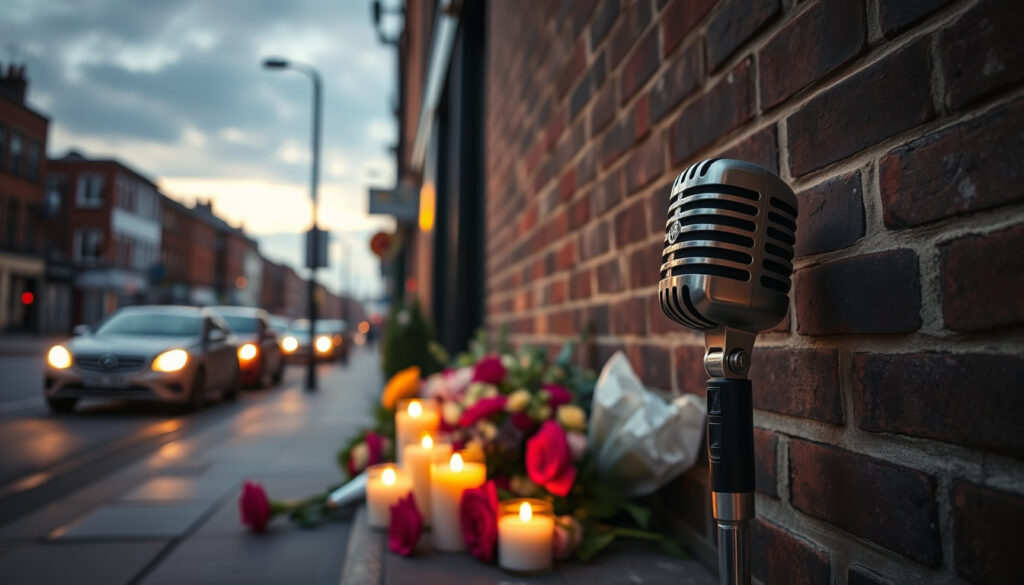
Amy Winehouse, the Grammy-winning English singer-songwriter known for her powerful contralto voice and raw emotional delivery, died on July 23, 2011, at her home in London. Her death at age 27 added her to the ranks of musicians collectively known as the “27 Club,” a designation for artists who died at that age. Winehouse’s passing marked the end of a turbulent life marked by extraordinary talent, struggles with substance abuse, and immense public scrutiny.
The announcement of her death sent shockwaves through the music industry and beyond. Winehouse had been attempting to rebuild her career following years of well-documented personal struggles, and her death was met with an outpouring of grief from fans, fellow musicians, and cultural commentators worldwide.
This article provides a comprehensive examination of when Amy Winehouse died, the circumstances surrounding her death, and the key facts that have been established through official sources including coroner’s reports and documented interviews.
When Did Amy Winehouse Die?
Key Insights on Amy Winehouse’s Death
- The coroner’s inquest, held in the fall of 2011, officially ruled Winehouse’s death as accidental alcohol poisoning
- Her blood alcohol level was recorded at 0.416%, more than five times the U.K. legal driving limit
- Winehouse had reportedly been sober for several weeks before her death, marking a period of recovery
- Her brother Alex has spoken publicly about their family’s struggles with eating disorders, adding context to her complex health history
- The circumstances of her death have contributed to ongoing discussions about the pressures faced by young musicians in the entertainment industry
- Her inclusion in the “27 Club” connects her legacy to other legendary musicians who died at the same age, including Jimi Hendrix, Janis Joplin, and Kurt Cobain
- The timing of her death—during a period when she appeared to be making efforts toward recovery—has been noted by health professionals as a particularly tragic aspect of her passing
| Fact | Detail |
|---|---|
| Born | September 14, 1983 |
| Died | July 23, 2011 |
| Age at Death | 27 |
| Cause of Death | Alcohol poisoning (accidental) |
| Blood Alcohol Content | 0.416% |
| Location | Camden, London |
| Children | None |
| Discovered By | Bodyguard Andrew Morris |
How Old Was Amy Winehouse When She Died?
Amy Winehouse was 27 years old at the time of her death. She was born on September 14, 1983, which means she was just shy of her 28th birthday when she died on July 23, 2011. Her death occurring at 27 placed her firmly within what is commonly referred to as the “27 Club”—a group of influential musicians who all died at the age of 27.
The 27 Club Phenomenon
The concept of the “27 Club” has become a recurring subject in music journalism and cultural studies. Artists who have died at 27 include Jimi Hendrix, Janis Joplin, Jim Morrison, Kurt Cobain, and, of course, Amy Winehouse. The pattern of talented musicians dying at this particular age has prompted extensive analysis and debate about the pressures of the music industry, the role of substance abuse, and the price of fame.
Winehouse’s death reinforced concerns about the vulnerabilities faced by young artists who achieve rapid fame. Her trajectory—from breakout success to struggles with addiction to her ultimate death—has been cited in numerous discussions about artist welfare and the responsibilities of the entertainment industry.
How Old Would Amy Winehouse Be Today?
Had Amy Winehouse lived, she would have turned 41 years old in September 2024. Her music continues to resonate with audiences worldwide, and her influence can be seen in contemporary artists who cite her work as an inspiration. The question of what she might have accomplished musically remains one of the more poignant “what-ifs” in modern music history.
Winehouse’s posthumous recognition includes the Oscar-winning documentary “Amy” (2015) and continued album sales that have introduced her music to new generations of listeners. Her debut album “Frank” and the Grammy-winning “Back to Black” remain critically acclaimed works that continue to influence contemporary soul and jazz-pop artists.
How Did Amy Winehouse Die?
The official cause of Amy Winehouse’s death was accidental alcohol poisoning. According to the coroner’s inquest findings, Winehouse’s blood alcohol concentration was 0.416% at the time of her death—more than five times the legal driving limit in the United Kingdom. This level represents a severe level of alcohol toxicity that can cause respiratory failure, cardiac arrest, or other life-threatening conditions.
The Circumstances of Her Death
Winehouse was found dead at her home in Camden, London, on July 23, 2011. Her bodyguard, Andrew Morris, discovered her unresponsive around midday after checking on her at 10 a.m. that morning. She was lying in the same position with no signs of breathing or pulse. The night before her death, she had been reportedly watching early performance videos and was in good spirits, according to accounts from those close to her.
The timing of her death came during what appeared to be a period of attempted recovery. Winehouse had entered rehabilitation in the spring of 2011, and reports suggested she had been sober for several weeks prior to her death. This detail has been particularly significant in discussions about the risks associated with relapse after periods of abstinence, as tolerance levels can decrease significantly.
The Inquest Findings
The coroner’s inquest, conducted in the fall of 2011, officially ruled Winehouse’s death as accidental alcohol poisoning. This conclusion was reached after reviewing toxicology reports and testimony from medical professionals. The ruling confirmed that her death was not intentional and that no other contributing factors were identified.
Health professionals have noted that alcohol poisoning at the level recorded in Winehouse’s case represents a critical medical emergency. A blood alcohol concentration of 0.416% can cause severe impairment of motor functions, loss of consciousness, and potentially fatal respiratory depression. The severity of this level underscores the urgency of addressing alcohol use disorders, particularly in individuals with a history of problematic drinking.
Amy Winehouse’s Last Words
No verified last words from Amy Winehouse have been documented in official reports or credible accounts from those present in her final hours. While various speculative accounts have circulated in media coverage, none have been substantiated through reliable sources. What is known is that she spent her final evening watching videos of her earlier performances—a poignant detail that speaks to her awareness of her own legacy and perhaps her hopes for her career’s future direction.
When Was Amy Winehouse Born?
Amy Winehouse was born on September 14, 1983, in Southgate, London, England. She was the daughter of Mitch Winehouse, a former cab driver, and Janis Winehouse, a pharmacist. She had an older brother, Alex. The Winehouse household was musically inclined, providing an environment that fostered young Amy’s artistic development from an early age.
Early Life and Musical Influences
Growing up in London, Winehouse was exposed to a variety of musical genres that would later inform her distinctive sound. Her voice—characterized by its powerful contralto range and emotional depth—began developing during her teenage years. She drew inspiration from jazz, soul, and R&B artists, creating a unique blend that would come to define her career.
Her upbringing in a working-class family, combined with her extraordinary talent, positioned her as a distinctive voice in early 2000s British music. Unlike many pop stars of her generation, Winehouse’s music carried a depth and authenticity rooted in classic songwriting traditions.
Rise to Fame
Winehouse’s career began gaining momentum in the early 2000s. Her debut album, “Frank,” was released in 2003 and received critical acclaim for its sophisticated songwriting and mature vocal performance. However, it was her 2006 release of “Back to Black” that catapulted her to international fame. The album won five Grammy Awards at the 2008 ceremony, including Record of the Year and Best New Artist.
The period between 2005 and 2006 also marked the beginning of Winehouse’s highly publicized struggles with substance abuse. Her relationship with Blake Fielder-Civil, whom she met during this time, became a subject of intense media scrutiny. Tracks on “Back to Black” drew heavily from the emotional turbulence of this relationship, with songs like “Rehab” and “Back to Black” capturing the complexities of her personal experiences.
Did Amy Winehouse Have Children?
Amy Winehouse did not have any children. Throughout her life, she remained without biological children, and there have been no reports of her having stepchildren or any other dependents. This detail has been consistently confirmed across all biographical sources and official records.
Relationship History
Winehouse was married to Blake Fielder-Civil from 2007 until their divorce in 2009. The relationship was marked by public turbulence, including reports of domestic incidents and ongoing substance abuse issues affecting both partners. Following their divorce, Winehouse did not enter into another marriage, and her subsequent relationships remained relatively private.
Speculation about Winehouse’s desire for motherhood appeared periodically in tabloid coverage, though no authoritative statements from her or her inner circle confirmed these reports. The intersection of her personal struggles and public interest in her family planning became a recurring theme in media coverage of her life.
The coverage of Winehouse’s personal life, including questions about children and relationships, often sensationalized her experiences. Responsible reporting recognizes the importance of distinguishing between verified information and speculative narratives, particularly when discussing the private lives of public figures who have faced significant health challenges.
Amy Winehouse Life and Death Timeline
Understanding the context of Amy Winehouse’s death requires examining the key milestones of her life and career. The following timeline presents the most significant events that shaped her legacy.
- — Amy Winehouse born in Southgate, London, to Mitch and Janis Winehouse
- — Release of debut album “Frank,” establishing her as a distinctive new voice in British music
- — Release of “Back to Black,” which achieves massive commercial and critical success; wins five Grammy Awards in 2008
- — Married Blake Fielder-Civil; hospitalized following overdose; extensive tabloid coverage of personal struggles
- — Grammy wins cement her international reputation; ongoing legal and health issues continue
- — Divorce from Blake Fielder-Civil; attempts at rehabilitation
- — Final concert in Belgrade, widely criticized as disastrous; tour canceled
- — Enters rehabilitation program
- — Found dead at her London home at age 27
- — Coroner’s inquest confirms accidental alcohol poisoning as cause of death
- — Grammy awarded posthumously for Tony Bennett duet
- — Documentary “Amy,” directed by Asif Kapadia, wins Academy Award for Best Documentary Feature
Confirmed Facts vs Unverified Claims
When examining information about Amy Winehouse’s death, it is essential to distinguish between facts that have been established through official sources and claims that remain unverified or speculative.
| Established Facts | Unverified Claims |
|---|---|
| Death occurred on July 23, 2011 | Specific time of death |
| Age at death: 27 years old | Details about her final conversations |
| Cause of death: accidental alcohol poisoning | Alleged “last words” |
| Blood alcohol level: 0.416% | Whether she intended to harm herself |
| Found by bodyguard Andrew Morris | Specific events immediately preceding death |
| No children | Speculation about future plans |
| Coroner’s ruling: accidental poisoning | Unconfirmed tabloid accounts |
The most reliable sources for information about Amy Winehouse’s death include official coroner’s reports, interviews with medical professionals involved in the case, and established biographical references such as Britannica and biography.com. Any claims not supported by these or similarly credible sources should be treated with appropriate skepticism.
Context and Analysis
Amy Winehouse’s death occurred during a period when she appeared to be taking steps toward recovery. Her entry into rehabilitation in spring 2011 represented an attempt to address the substance abuse issues that had plagued her for years. The tragic irony of her death—occurring during what seemed to be a hopeful period—has been noted by addiction specialists as emblematic of the dangers of relapse.
Her career, while enormously successful in terms of critical acclaim and award recognition, was severely impacted by her struggles with addiction and the intense media scrutiny that followed. The constant tabloid attention to her personal life, combined with the pressures of maintaining a music career, created an environment that made recovery challenging.
The cultural impact of Winehouse’s death extends beyond the immediate grief experienced by fans and fellow musicians. Her passing prompted renewed discussions about mental health support for artists, the responsibilities of record labels and management companies, and the treatment of addiction as a medical condition rather than a personal failing. The documentary “Amy” further catalyzed these conversations by presenting a candid examination of her life, struggles, and the industry pressures she faced.
Sources and Key Quotes
“Blood alcohol concentration of 0.416%—more than five times the legal limit.”
— Official coroner’s inquest findings, 2011
Multiple authoritative sources have documented the circumstances of Amy Winehouse’s death. MissUsJ.com has compiled extensive biographical information, while Britannica provides a comprehensive overview of her life and career. The Biography.com coverage of her death includes details from the official investigation.
“Amy Winehouse was found dead at her London home on July 23, 2011, after police were called by her bodyguard.”
— Contemporary news reports
Related Topics
For readers interested in exploring related content, several artists and topics connect to Amy Winehouse’s legacy and the broader context of her career.
- Rag N Bone Man – Real Name Age Songs Wife Net Worth
- Michael Jackson The Musical – Tour Schedule Cast Songs Guide
When did Amy Winehouse become famous?
Amy Winehouse gained significant recognition with the release of her debut album “Frank” in 2003, but achieved mainstream fame with “Back to Black” in 2006, which won multiple Grammy Awards in 2008.
How old would Amy Winehouse be today?
Amy Winehouse would be 41 years old as of 2024, having been born on September 14, 1983.
What was Amy Winehouse’s most famous song?
“Rehab,” from her album “Back to Black,” became one of her most recognized tracks, winning Grammy Awards for Record of the Year and Best Pop Solo Performance.
Where was Amy Winehouse buried?
Amy Winehouse was buried at Edgwarebury Park Cemetery in London. The private funeral took place on July 26, 2011.
Did Amy Winehouse write her own songs?
Yes, Amy Winehouse was known for her songwriting abilities, writing or co-writing all of the tracks on both “Frank” and “Back to Black.” Her lyrics often drew from her personal experiences and relationships.

Jack Thomas Clarke Thompson is a staff writer for PopCultureDaily.co.uk, covering entertainment news, film, television, streaming and celebrity culture. He works under Editor-in-Chief Harriet Winslow and Managing Editor Lucas Bennett, following the newsroom standards for sourcing, verification and fact-checking set out in our editorial policies.